
Responsive Medical Websites
// Mental Health Website Design
Trauma-Informed, Accessible & Conversion-Focused
What you gain:
Performance:
mobile-first pages tuned for Core Web Vitals.
Trust & safety:
non-judgmental tone, crisis guidance, ethics-aligned content.
Conversion (without hard sell):
clear Book / Call / Message actions; short, secure forms.
Inclusion & access:
WCAG 2.1 AA accessibility and multilingual options where needed.
Discoverability:
information architecture and mental health SEO that win “therapist/psychologist in City” searches.

// Features
What Makes Our Websites Convert

SEO Friendly Website (Editable CMS)
Edit pages & blogs in minutes

Local SEO Setup That Helps You Rank on Google
Rank better for local service searches

Lead Tracking & Conversion Analytics
Track calls, forms, and booking
Online Booking & Payments That Convert
Make booking fast and hassle-free

Fast, Mobile-First Websites Optimized for Core Web Vitals
Built for performance and SEO

Trust-Building Design That Turns Visitors Into Clients
Design that earns trust instantly
Ready to attract more patients and grow your practice?
Why mental health sites need a specialized approach
Language impacts help-seeking.
Supportive, plain language reduces drop-offs and encourages action.
Privacy is paramount.
Secure forms, consent, and careful data handling protect visitors.
Crisis considerations.
Clear “not for emergencies” disclaimers and immediate help options belong near every form.
Local intent rules.
Ranking for specialty + city (e.g., “anxiety therapist in City”) drives qualified inquiries.
Teletherapy & hybrid care.
Visitors need transparent steps for virtual sessions, platforms, and requirements.
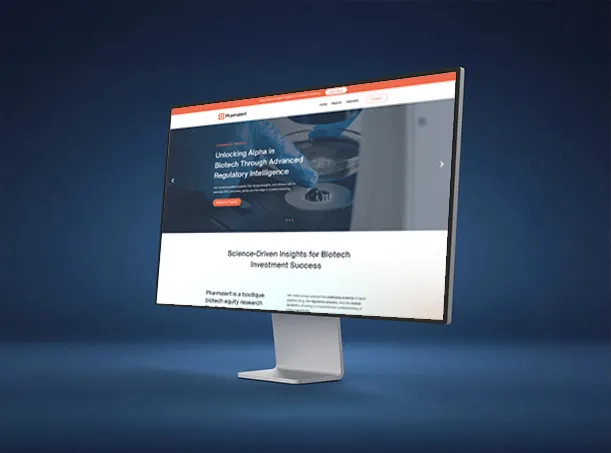
You deserve a website that works as hard as you do.
// What a conversion ready
Mental health website looks like
-
Calm visual design, generous spacing, readable typography, and predictable navigation.
-
Content framed as invitations (“You’re not alone,” “Here’s how we can help”).
-
Consent-aware interactions; no surprise pop-ups.
-
Targets: LCP < 2.5s, CLS < 0.1, INP < 200 ms on real devices.
-
Optimized images (WebP/AVIF), deferred scripts, minimal layout shifts.
-
One concern/service per page to avoid cannibalization (e.g., Anxiety Therapy, Couples Counseling, ADHD Assessment).
-
Internal links between concerns ↔ approaches (CBT, DBT, EMDR) ↔ clinician bios ↔ locations.
-
Schema: MedicalOrganization/LocalBusiness (MedicalClinic), Physician / Psychologist, Service, FAQPage, BreadcrumbList.
-
Licensure, credentials, specialties, languages, cultural competencies, insurances.
-
Clear disclaimers: not for emergencies; link to local/national crisis resources.
-
SSL sitewide; consent near forms; minimal PHI collection; cookie notice where required.
-
Sticky Book / Call / WhatsApp / Send a message (or HIPAA-friendly chat) on mobile.
-
Short, secure request forms with expectations for response times.
-
Teletherapy instructions (platform, tech check, privacy tips, location requirements).
-
Contrast, keyboard nav, focus indicators, alt text, descriptive links.
-
Captions/transcripts for videos; avoid auto-play; screen-reader friendly structure.
Patient-first UX
Mobile-first performance
Search-ready structure
Trust, ethics & compliance
Conversion paths that respect autonomy
Accessibility (WCAG 2.1 AA)
Information Architecture you can copy
Home
who you help, top specialties, approaches, trust band, CTAs
Specialties / Departments
Anxiety, Depression, Trauma/PTSD, ADHD, Couples, Child/Adolescent, Eating Concerns, Grief, Burnout
Approaches / Modalities
CBT, DBT, EMDR, ACT, Mindfulness-based, Family Systems
Clinicians / Team
bios with licensure, subspecialties, languages, booking links
Teletherapy
eligibility, platforms, privacy tips, how to prepare
Locations
one page per site with NAP, map, hours, accessibility, photos
Fees, Insurance & Billing
clarity on in-network, OON, superbills, sliding scale
Resources
crisis lines, safety planning, worksheets, psychoeducation (non-diagnostic)
Blog / Insights
how-to guides, coping strategies, self-care, therapy FAQs
Contact / Request an Appointment
secure form, tap-to-call, WhatsApp (non-PHI), response expectations
Tip: Add a “What to Expect in Your First Session” page and link it near CTAs to reduce anxiety and increase conversions.
Features we build in for mental health practices
-
Structured profiles: licensure, areas of focus, age groups, modalities, languages, booking links.
-
Directory filters by availability, specialty, language, location/teletherapy.
-
Short encrypted forms with consent and purpose statements; optional call-back toggle.
-
“Not for emergencies” line with crisis links near every form.
-
WhatsApp or chat for non-clinical questions (no PHI); portal links for sensitive info.
-
Step-by-step joining instructions, device/testing guidance, privacy recommendations.
-
Geographic notes (provider must be licensed in your state/country).
-
Virtual waiting room copy that sets expectations.
-
Realistic, diverse imagery; gender-inclusive, stigma-free language.
-
Reading level ~6th–8th grade; define terms; avoid clinical jargon when possible.
-
Google Business Profile: categories (Psychologist, Counselor, Psychotherapist), services, booking URL, Q&A, photos.
-
City pages with unique copy, neighborhood landmarks, transit/parking details.
High-trust clinician bios & directories
Booking & secure messaging
Teletherapy module
Inclusive imagery & copy
Local SEO signals
Content that ranks (and reduces phone anxiety)
High-value page types
Concern pages
signs/symptoms, common myths, therapy options, self-care tips, how therapy helps, FAQs.
Approach pages
what it is, who it’s for, session flow, evidence base (plain language).
First-time guides
“How to choose a therapist,” “What happens in the first session?”
Teletherapy guide
Privacy at home, headphones, scheduling, backup plan.
Crisis & safety resources
clearly labeled, easy to find.
Local SEO for solo therapists, group practices & clinics
Google Business Profile:
service list (Anxiety Therapy, Couples Counseling, ADHD Assessment), booking link, photos (rooms, teletherapy setup), Q&A; post weekly updates.
Citations:
consistent NAP across directories and professional associations.
City/Neighborhood pages:
unique copy with maps, accessibility (elevator, parking), and “near landmark” references.
Reviews:
where platform and ethics permit, request feedback that references service + city (never pressure clients).
Internal links:
Home → Specialties/Approaches → Clinicians → Locations → Request Appointment.
Performance, privacy & security—non-negotiables
Speed:
WebP/AVIF, srcset, lazy-load, defer non-critical JS, font preload; monitor Core Web Vitals.
Security
SSL/TLS, secure headers, hardened CMS, least-privilege roles, 2FA.
Privacy & compliance
consent and purpose statements near forms; cookie banner (Accept/Reject/Manage) where required; PHI minimization; portal links for sensitive communication.
Accessibility:
WCAG 2.1 AA checks on core templates (contrast, keyboard, focus, labels).
Backups & updates:
automated schedule, restore tests, dependency monitoring.
(We implement best-practice technical patterns and follow your legal counsel’s guidance; we don’t provide legal advice.)

// SEO checklist for
Mental health website design
One topic per URL; avoid combining multiple concerns on one page.
H1 matches page focus; first 100 words restate specialty and city if local.
H2/H3s mirror intent: signs, therapy options, session expectations, FAQs.
Internal links between concerns, approaches, clinicians, and locations.
Schema: Organization/MedicalOrganization, LocalBusiness/MedicalClinic, Physician/Psychologist, Service, FAQPage, BreadcrumbList.
Media SEO: descriptive filenames, alt text, fixed width/height to prevent CLS.
XML sitemaps & clean canonicals; redirect mapping on redesigns.
Measurement & continuous improvement
Primary conversions:
request-appointment submits, call clicks, WhatsApp/chat starts, teletherapy bookings.
Assists:
time on concern/approach pages, scroll depth, resource downloads.
Monthly actions:
raise CTAs, shorten forms, expand high-demand topics, add a city page, publish a first-session guide.
Roadmap:
ship one new concern or approach page per month; quarterly CWV and accessibility passes.
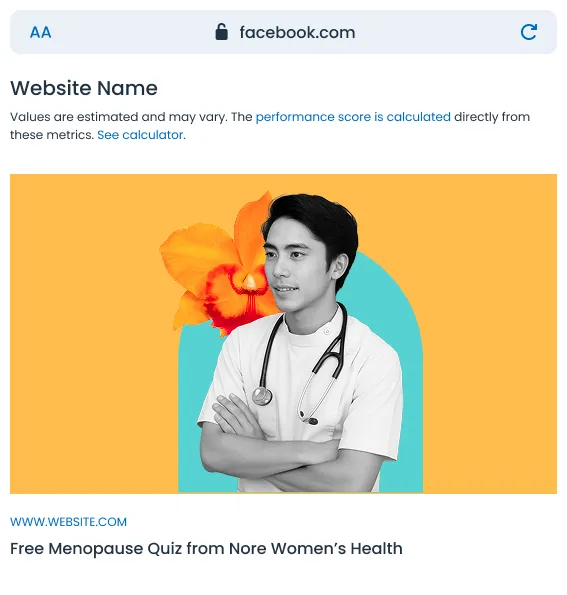
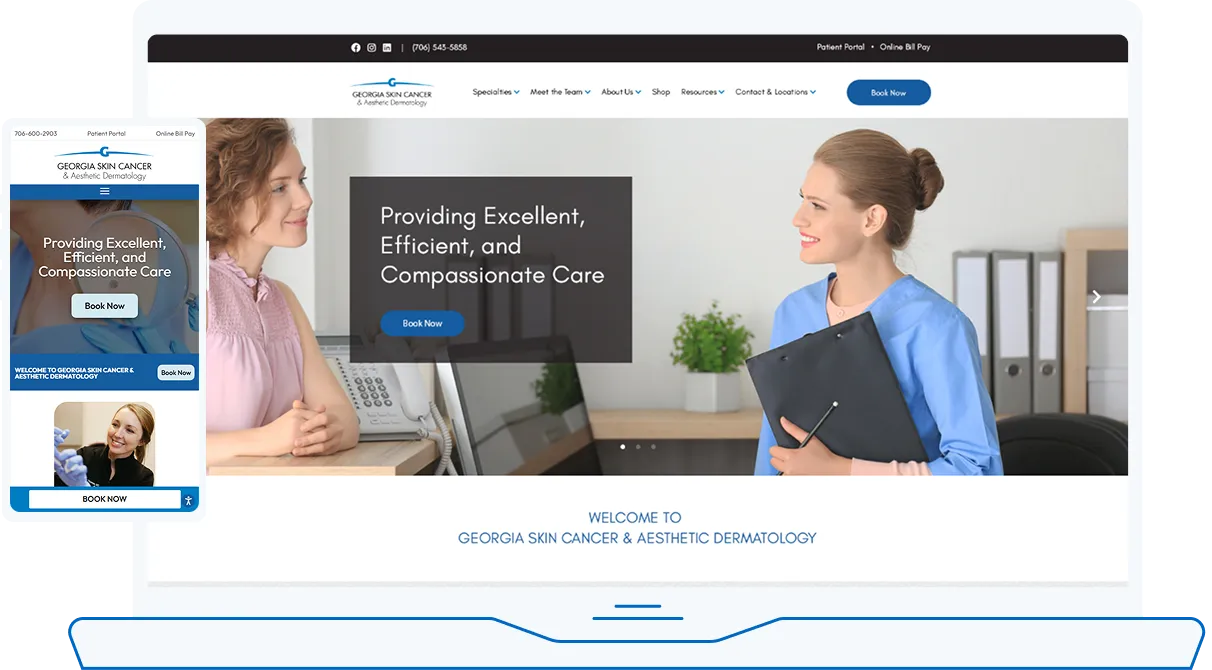
// Featured Website
Skin Cancer & Aesthetic Dermatology
No Post Found.
Explore our portfolio:
// FAQs
Mental Health Website Design
How is mental health website design different from general medical web design?
Language, privacy, and crisis considerations are central. We prioritize trauma-informed copy, clear crisis guidance, and secure, consent-aware contact paths.
Can you integrate teletherapy and secure forms?
Yes. We implement encrypted request forms (with consent), connect scheduling tools, and provide clear teletherapy instructions—while minimizing PHI in forms.
How do you handle ethics and claims?
We avoid guarantees, use balanced outcomes language, and include disclaimers. We also add crisis links and “not for emergencies” notices near forms.
Will a redesign affect our rankings?
Handled correctly, it improves them. We preserve/redirect valuable URLs, improve speed, add schema, and strengthen internal links—usually lifting visibility and inquiries.
Do you provide hosting?
We don’t resell hosting, but we set up and configure best-in-class hosting (SSL, backups, CDN) so you remain in control.
How soon can we launch?
Typical timelines are 3–6 weeks depending on content readiness and integrations. We can phase: launch essentials first, then expand.