
SEO for Medical Professionals
// SEO for Medical Professionals
Rank Locally, Earn Trust & Convert Searches into Appointments

What you gain:
Local visibility:
rank for service + city and “near me” searches
Trust signals:
medical author bios, citations, reviews (where allowed), structured data
Conversion lift:
clearer pages, stronger CTAs, and booking paths that work on mobile
Technical health:
Core Web Vitals, clean architecture, sitemaps/canonicals
Content engine:
repeatable briefs and templates your team can publish fast
SMPLY Studio designs yoga websites that feel mindful—and convert.
// Feature
What our medical SEO program includes
- Specialty & competitor gap analysis
- Keyword universe mapped by intent: informational (conditions), commercial (treatments), transactional (book/consult)
- City & neighborhood modifiers for multi-location groups
- Core Web Vitals (LCP/CLS/INP) tuning, image/CDN pipeline.
- Crawlability: XML sitemaps by type, robots, clean canonicals, 301 map
- Internal linking system across specialties ↔ conditions ↔ doctors ↔ locations
- Accessibility checks (WCAG 2.1 AA) to improve UX and indexability
- Doctor author boxes and medically reviewed stamps (with review dates)
- Citations to reputable sources (used sparingly; plain-language summaries)
- Schema markup: Organization/MedicalClinic, Physician, Service, FAQPage, BreadcrumbList, Review (where allowed)
- Google Business Profile setup/cleanup, services, booking URL, Q&A, UTM tracking
- NAP consistency & citations in high-quality medical directories
- City/location pages with unique content, maps, parking/accessibility, photos
- Review flow (platform-compliant) to encourage service + city mentions
- Templates for Service, Condition, Doctor, Location, FAQ, First-visit/Aftercare
- Editorial briefs with H2/H3 structure, FAQs, internal links, and schema
- Quarterly refresh plan for top pages
- Clear CTAs: Book, Call, WhatsApp (non-PHI)
- Short secure forms with consent; thank-you pages set expectations
- Appointment widgets or calendar links; portal links for sensitive info
Strategy & research
Technical SEO & performance
E-E-A-T & on-page optimization
Local SEO
Content production
Conversion optimization
Ready to attract more patients and grow your practice?
// Design Flow
Why healthcare SEO is different (and higher-stakes)
YMYL standards:
Health is “Your Money or Your Life” content—quality and accuracy expectations are higher.
E-E-A-T matters:
Real expertise, credentials, references, and transparent authorship affect trust.
Local intent dominates:
Most medical queries resolve to local providers; GBP + location pages are critical.
Compliance & privacy:
HIPAA/GDPR-friendly data handling and cautious outcomes language protect you and patients.
Speed & mobile:
Decisions happen on phones; poor CWV = lost bookings.

Information Architecture that wins medical SEO

Home
positioning, specialty grid, trust band, primary CTAs
Specialties / Departments
dermatology, dentistry, ophthalmology, orthopedics, mental health, women’s health, pediatrics, physiotherapy, etc.
Conditions & Treatments
one URL per topic; avoid cannibalization
Doctors / Team
credentials, subspecialties, languages, hospital affiliations
Locations
unique NAP pages with map, parking, photos, local landmarks
Telemedicine
eligibility, platforms, instructions
Patient Resources
forms, insurance, billing, prep & aftercare
Blog / Insights
Q&A, comparisons, timelines, seasonal guidance
Contact / Book
tap-to-call, WhatsApp/chat, secure request form
Multi-city? Add city pages (“Dermatologist in City”), then interlink from specialty/condition pages and footers.
// Local SEO
Local SEO specifics for doctors & clinics
GBP categories:
choose precise primary (e.g., “Dermatologist”, “Medical Spa”, “Dentist”) and add secondary services
Services list:
mirror website services; add booking URL + UTM
Photos & posts:
team, rooms, equipment; weekly posts for offers, updates, and seasonal tips
Q&A:
seed common questions and answer them (no PHI)
Citations:
consistent NAP in medical registries & high-quality directories
Reviews:
request feedback (where allowed); never offer incentives; ask patients to mention service + city

// SEO Ready
Content that ranks (and reduces phone volume)
High-value page types
Service pages
indications, candidacy, benefits, risks, recovery, aftercare, FAQs
Condition pages
symptoms, diagnosis, options, when to seek care, FAQs
Doctor bios
credentials, hospital privileges, languages, booking links
Location pages
local details, parking/transit, accessibility, photos
Comparisons
“Braces vs. Invisalign,” “Botox vs. Fillers,” “Peels vs. Lasers”
Timelines & checklists
procedure timelines, pre-op/post-op care
Seasonal guides
heat/sun tips, festival schedules, school/college seasons
Editorial principles
Plain language at ~6th–8th grade reading level; define terms in context
Balanced outcomes language; avoid guarantees; add disclaimers
Short paragraphs, bullets, tables; diagrams with alt text
Refresh top pages quarterly; fold front-desk FAQs into content
// Core Web Vitals
Technical SEO & performance
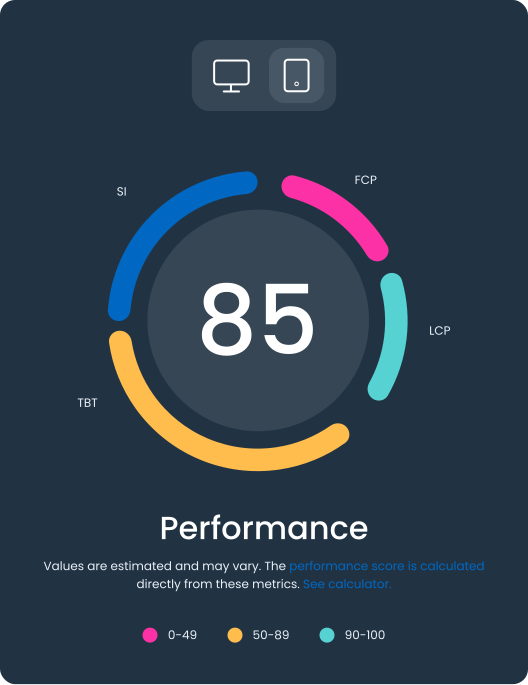
Targets: LCP < 2.5s, CLS < 0.1, INP < 200 ms (mobile)
WebP/AVIF, responsive srcset, lazy-loading; inline critical CSS, defer non-critical JS
Preload key fonts; font-display: swap; trim third-party scripts
Structured sitemaps per content type; clean canonicals; 404/301 hygiene
Hreflang for multilingual sites; consistent trailing-slash and casing rules
Monitor GSC coverage, CWV, and manual actions
// Local SEO
E-E-A-T implementation for healthcare

Bylines & credentials
on medical pages; “Medically reviewed by Dr. (Name), (Credentials)” with profile link
About & Editorial Policy
pages describing how you create and review content
References
to reputable bodies (sparingly, summarized in plain language)
Contact & ownership transparency:
full NAP, leadership, and where to escalate issues
Updated dates
on YMYL content and clear version history where possible
// Core Web Vitals
Analytics, attribution & ROI
Primary conversions:
appointment requests, call clicks, WhatsApp/chat starts, booking events
Assists:
time on service/condition pages, scroll depth, resource downloads
Attribution:
channel, device, and city performance; internal path to conversion
Dashboards:
GBP calls/directions, GSC queries, ranking by city & topic cluster
Monthly actions:
publish a service/condition page, refresh a top page, add a city page, expand FAQs

// Local SEO
SEO checklist for medical professionals

One topic/intent per URL; no keyword cannibalization
H1 + first 100 words match intent (and city if local)
Service & condition templates with FAQs and internal links
Doctors/locations interlinked from relevant services
Schema (Organization, MedicalClinic, Physician, Service, FAQPage, BreadcrumbList)
CWV pass on mobile for home, specialty, condition, doctor, and location templates
GBP optimized with services, booking URL, UTM, photos, Q&A, weekly posts
NAP consistency & citations; review flow compliant with platform rules
XML sitemaps, canonicals, redirects; hreflang if multilingual
Quarterly content refresh; monthly reporting & actions
// copy it
On-page playbook
One topic per page
one H1, tightly themed H2/H3s (Symptoms → Diagnosis → Options → Risks & Recovery → When to Seek Care → FAQs)
First 100 words
restate the service and city (if local) in natural language
Internal links
to related conditions, treatments, doctors, and the nearest location
Schema everywhere it fits
Organization, MedicalClinic, Physician, Service, FAQPage, BreadcrumbList
Author & last reviewed
timestamps on YMYL articles
Media SEO
descriptive filenames, alt text, fixed width/height to avoid layout shift

// Featured Website
Ratio Aesthetic Dermatology

// non-negotiables
Performance, security & accessibility
No Post Found.
Explore our full portfolio:
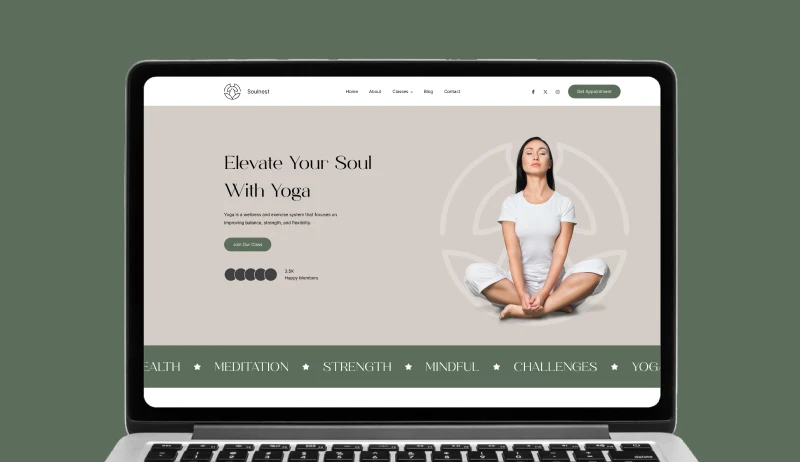
Soulnest Yoga Website
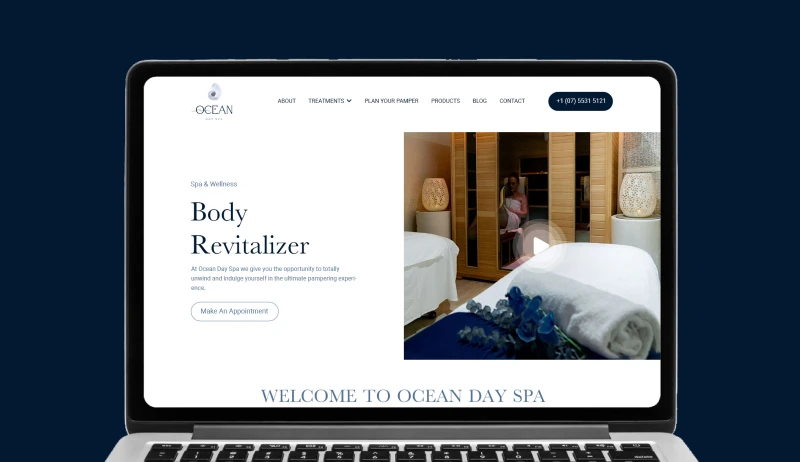
Ocean Day Med Spa

Ratio Branding and Web Design

Pharmalert Website
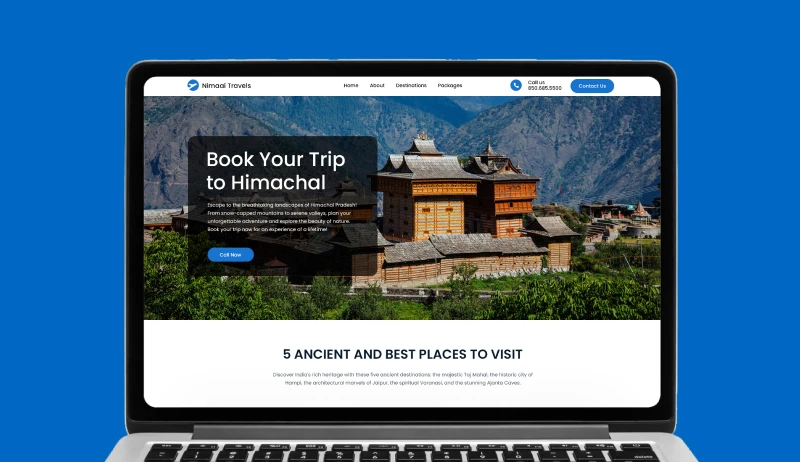
Nimaai Travels

Linea Surgical
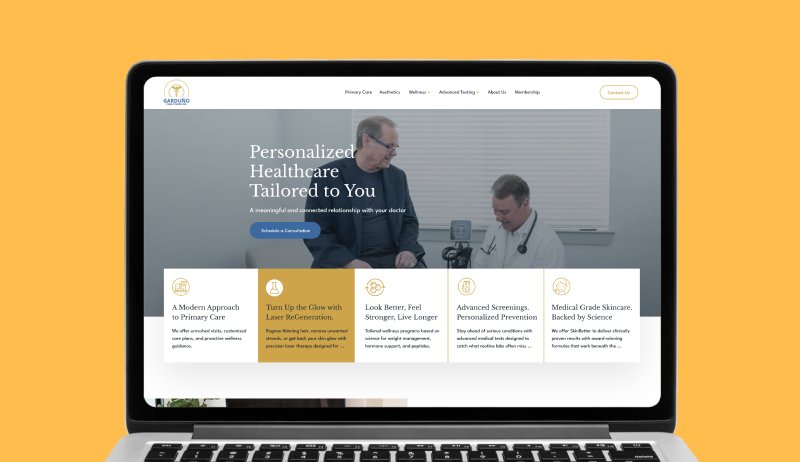
Garduno Website
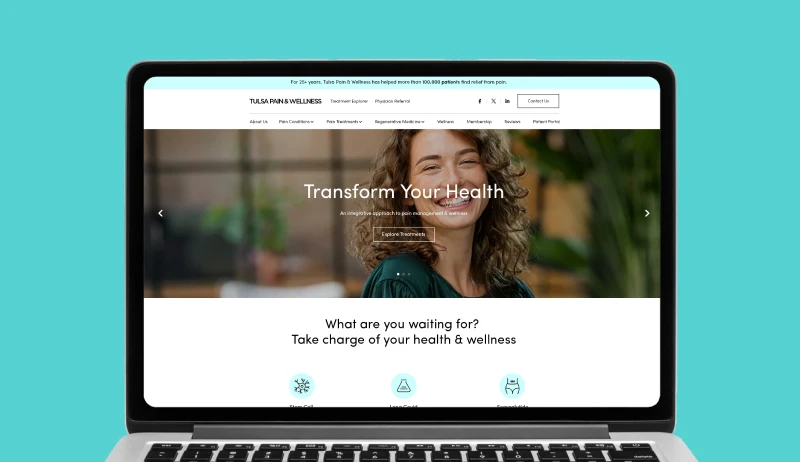
Tulsa Pain
// FAQs
SEO for Medical Professionals
How long until we see results from medical SEO?
Typical timelines are 3–6 months for consistent movement, faster when technical issues are fixed quickly and content velocity is high. Competitive metro areas and new domains may take longer.
Can SEO work without paid ads?
Yes, but SEO and PPC together capture more demand. SEO compounds over time; PPC fills gaps and tests messages and keywords that inform content.
Do you handle Google Business Profile and reviews?
We optimize and maintain GBP and implement a compliant review process (no incentives, no PHI). We also track calls, directions, and bookings from GBP.
How do you ensure compliance and accuracy?
We use E-E-A-T patterns: medical bylines, reviews, citations, and plain-language summaries. We add consent language near forms and follow your legal guidance.
Will SEO changes affect our current rankings?
Handled correctly, they improve them—via redirects, faster pages, clearer architecture, and structured data. We test and monitor in Search Console.
Do you provide hosting?
We don’t resell hosting, but we set up and configure best-in-class hosting (SSL, backups, CDN) so you stay in control.